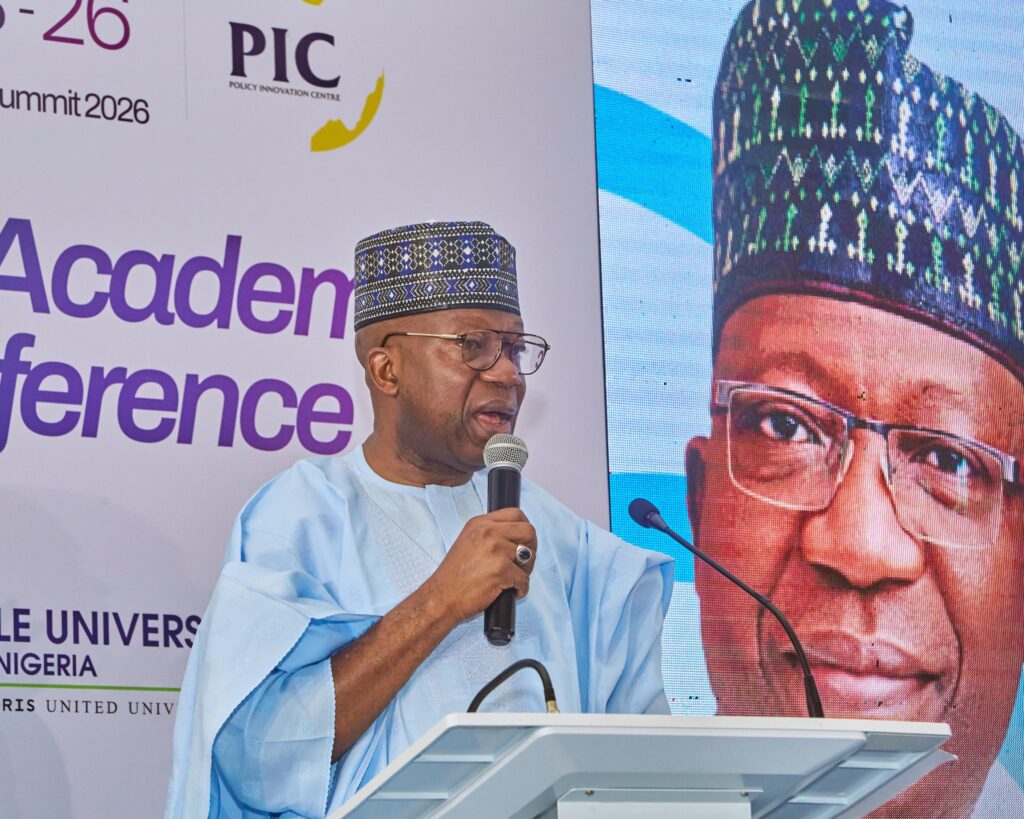
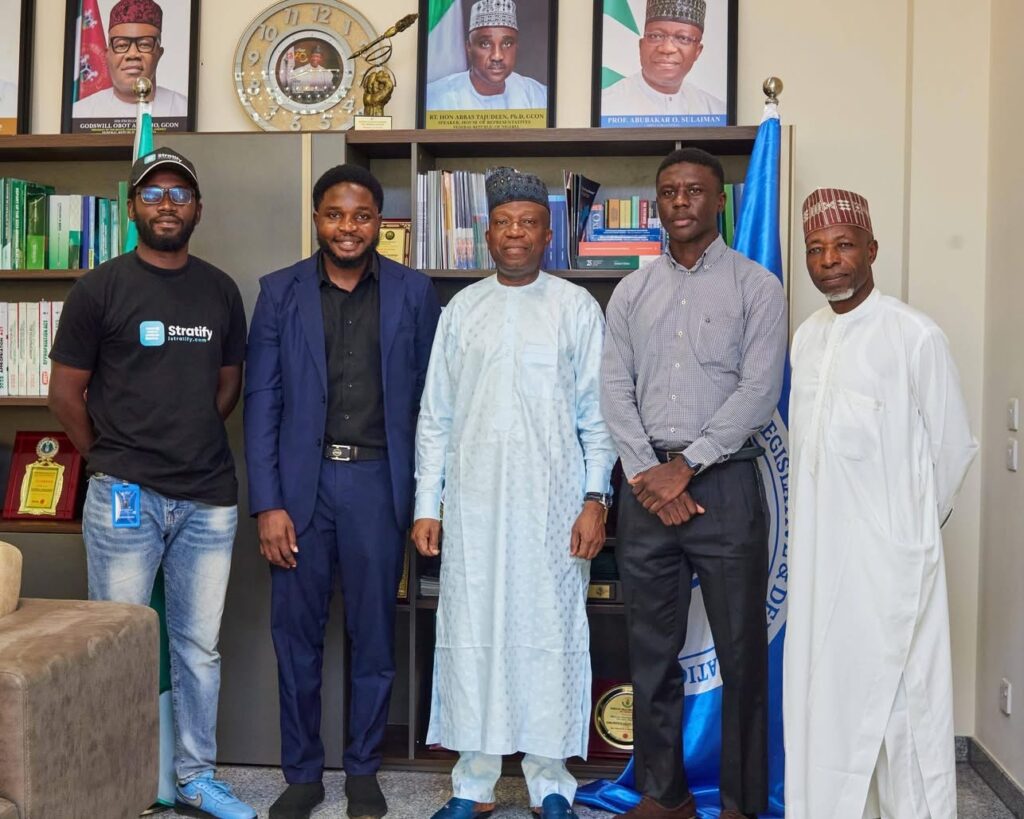
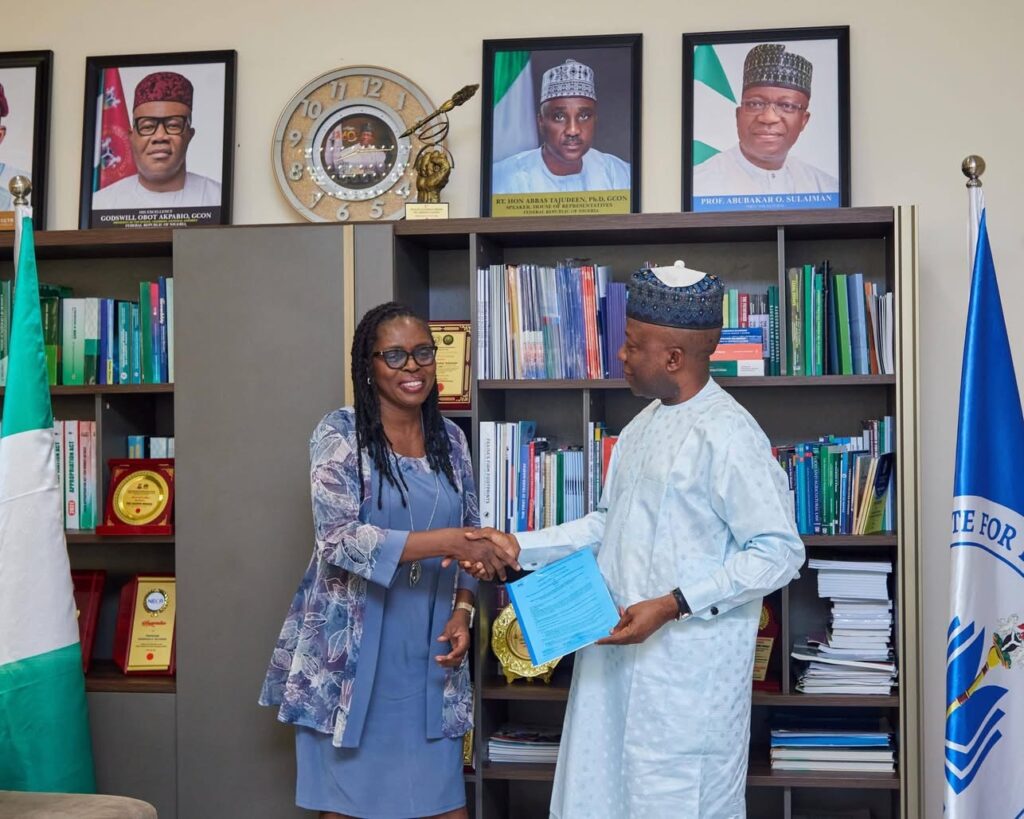
The Director General, National Institute for Legislative and Democratic Studies (NILDS), Prof. Abubakar O. Sulaiman, has reaffirmed the commitment of the Institute’s management to staff welfare, fairness, professional development and the continued repositioning of the Institute as a leading knowledge and skills institution for the Nigerian Parliament and West African legislative institutions.
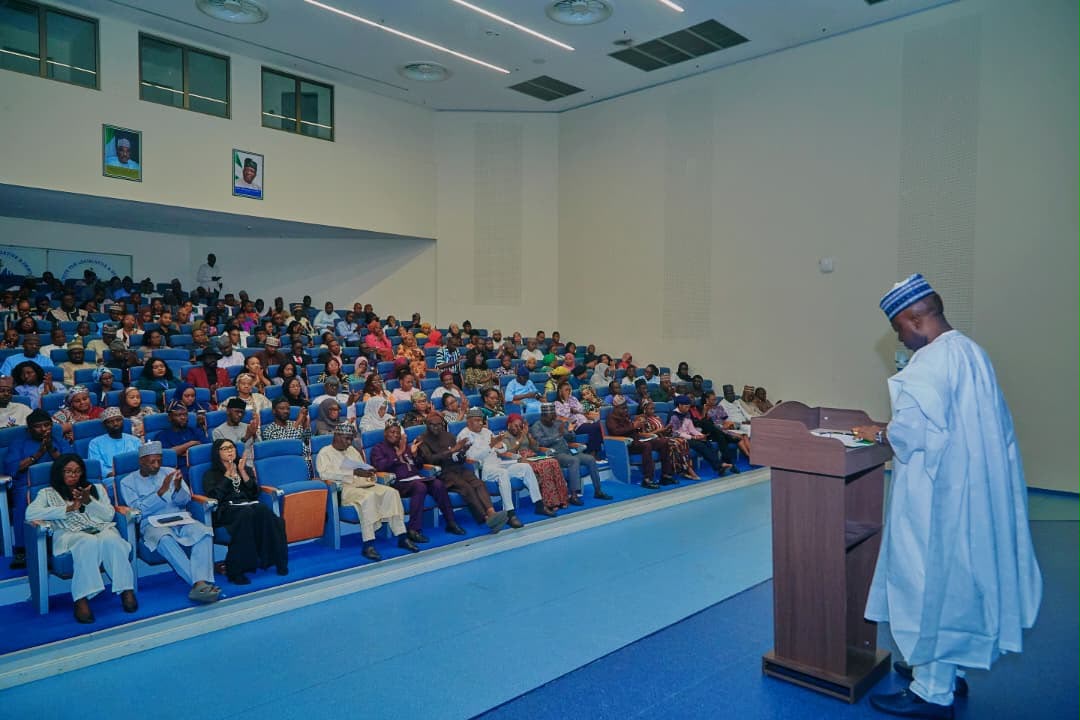
Prof. Sulaiman stated this during the Institute’s management and staff meeting held on Wednesday in Abuja, where he reviewed issues relating to staff welfare, career progression, institutional discipline, capacity development and upcoming programmes of the Institute.
He appealed to staff to reciprocate the confidence and support extended to them by the Institute through diligence, discipline, commitment, and professionalism.
On the Institute’s annual quiz competition, the DG reminded staff representing NILDS across the 36 states of the federation that they were ambassadors of the Institute and must conduct themselves accordingly. He urged participants, especially those taking part for the first time, to draw on the experience of veteran participants and ensure that they represented NILDS professionally.
He also emphasised the importance of proper documentation of staff movements during official assignments, directing staff to comply with the movement reporting procedures established by the Institute. He stressed that staff travelling for the quiz competition must adhere to their approved destinations and schedules while ensuring that the Institute was kept informed of their movements for accountability and safety purposes.
Prof. Sulaiman described the National Quiz Competition as an important capacity-building and empowerment programme that had been sustained over the years, noting that its implementation from the state level through the zonal stages to the national level required significant resources.
He similarly urged staff to ensure full participation in the Institute’s forthcoming convocation ceremony, describing the event as particularly significant as it would mark the 10th convocation of NILDS under the National Assembly He commended the department responsible for the programme and called on staff to contribute towards making the ceremony a greater success.
The DG also recognised staff who had distinguished themselves through commitment and regular attendance under the Human Resources initiative for identifying and rewarding outstanding staff members each month.
The DG encouraged the Institute to sustain the culture of recognising commitment and hard work, noting that consistent dedication to duty could open opportunities for professional growth and advancement.
Prof. Sulaiman also highlighted NILDS’ continued efforts to support Corps Members, noting that the Institute had increased their allowances on several occasions under his administration and had continued to engage Corps Members as part of its contribution to youth development and capacity building.
He also encouraged staff to participate actively in the Institute’s forthcoming sporting activities, stressing that the exercise was intended to promote staff interaction, physical wellbeing, and institutional cohesion. He urged directors and other senior staff to participate alongside their colleagues.
He reiterated that decisions on promotion, placement, and career progression within the Institute would continue to be guided by fairness, rationality, and institutional needs. He noted that management had also initiated reviews of conditions of service and staffing structures to address identified anomalies and ensure a sustainable system.
Prof. Sulaiman called for the cooperation and resilience of all staff in the ongoing repositioning of the Institute, stressing that institutional progress could only be achieved through collective commitment.
He expressed confidence that NILDS would continue to grow and strengthen its contribution to legislative and democratic development, urging staff to support management in its efforts to make the Institute a stronger and more effective institution.
“This Institute is great; let us make it the greatest,” the DG said, urging staff to remain committed to the shared vision of institutional excellence