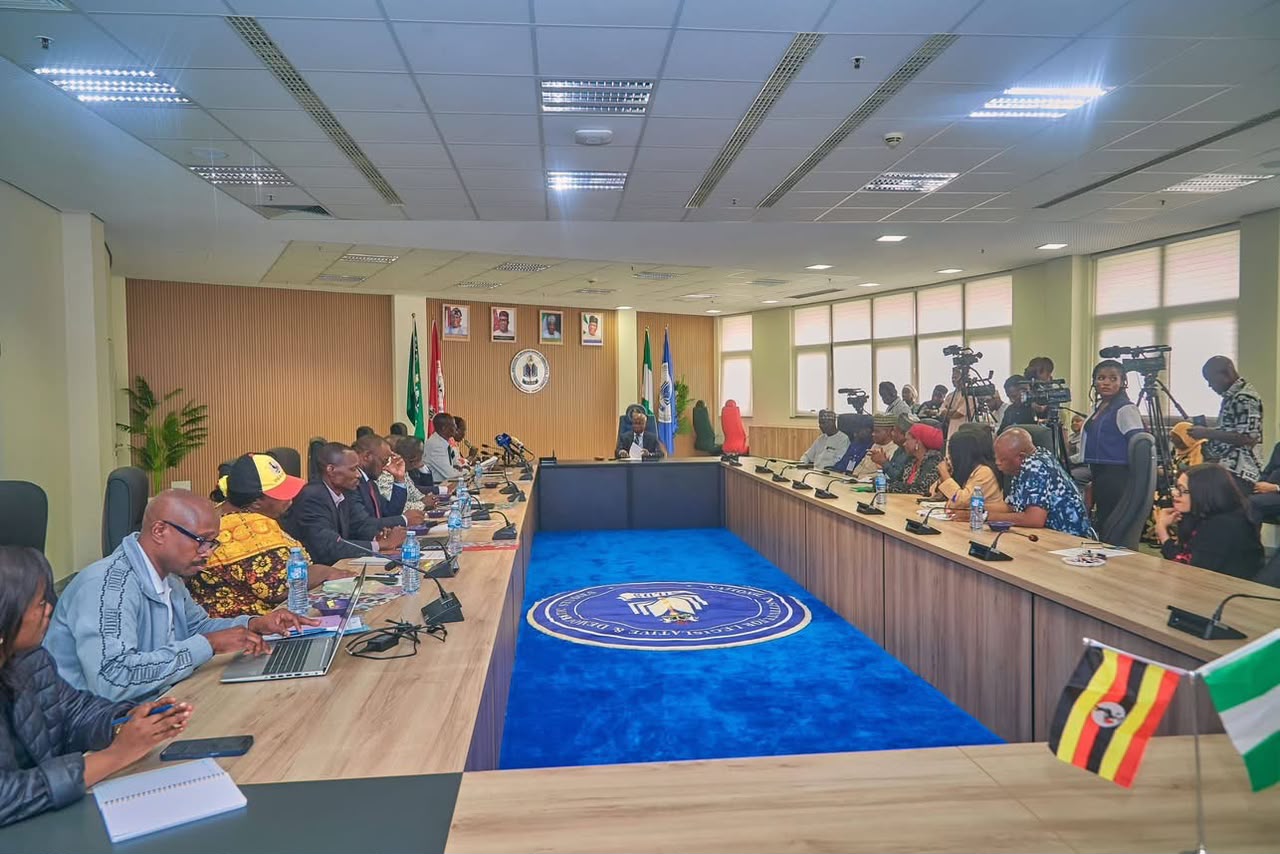
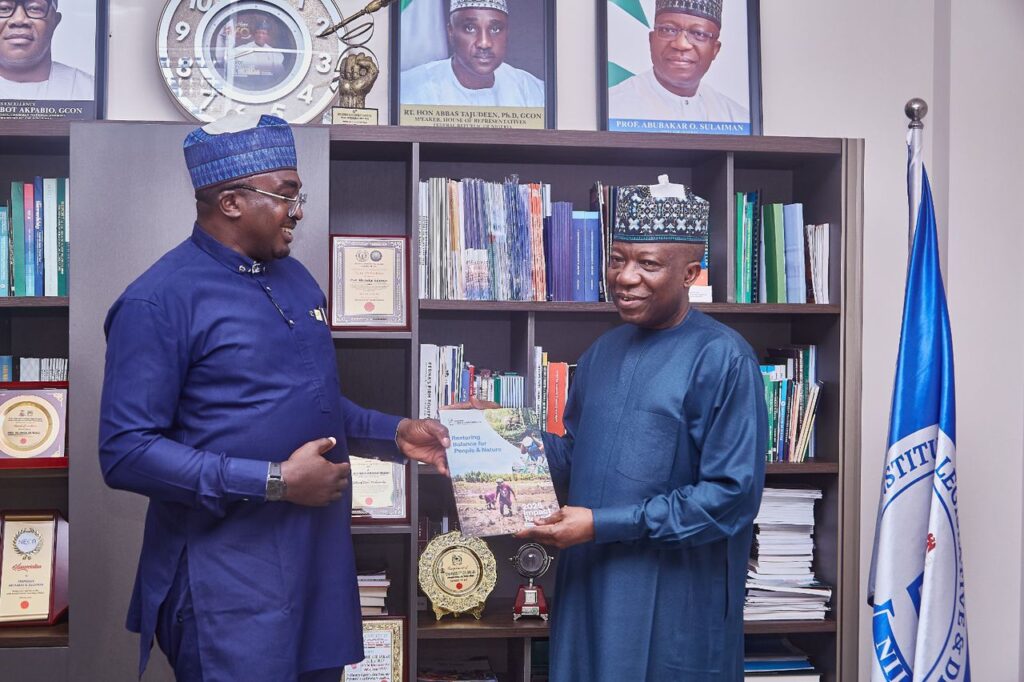
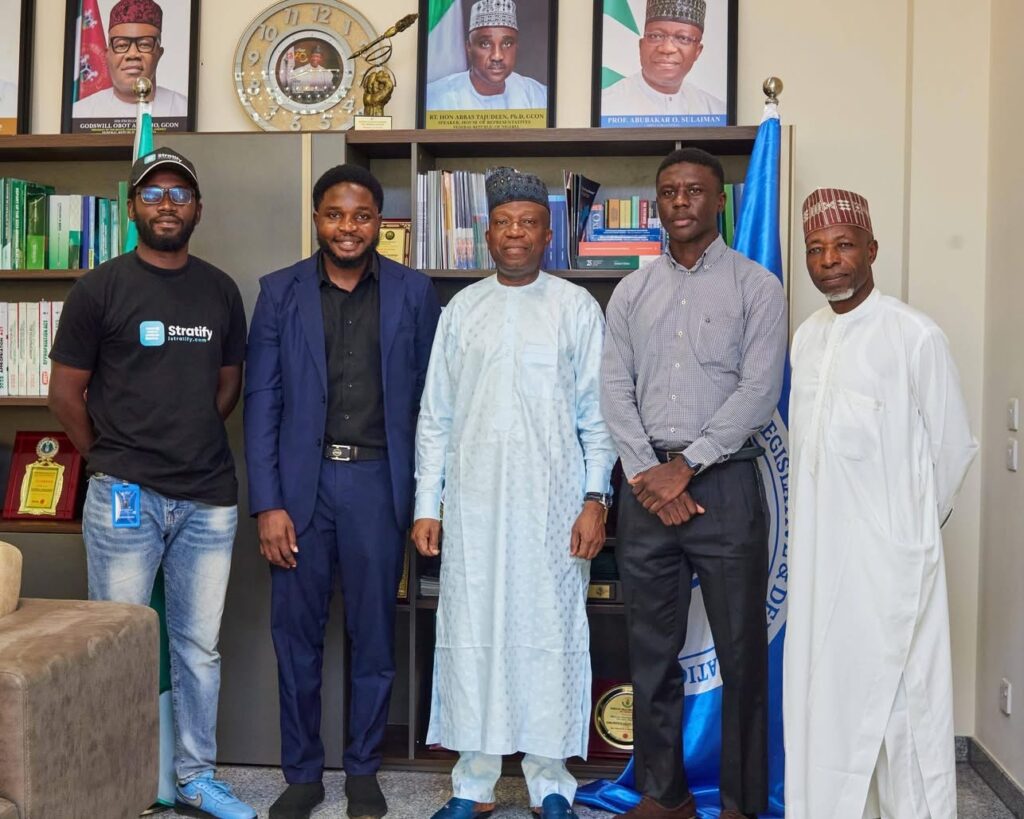
National Institute for Legislative and Democratic Studies (NILDS) has commenced a five day induction workshop for members and technical staff of the Committee on National Economy of the Parliament of Uganda, aimed at strengthening capacity in legislative scrutiny, public finance oversight, debt sustainability and economic governance.
Declaring the workshop open, the Director General of NILDS, Prof. Abubakar O. Sulaiman, welcomed the Ugandan delegation, noting that effective parliamentary performance goes beyond lawmaking to include robust oversight, scrutiny of public finances and the ability to interrogate complex economic and policy issues.
Prof. Sulaiman stressed the importance of sound public financial management, fiscal discipline, debt sustainability and productive investment in ensuring that economic growth translates into improved welfare for citizens.
He urged the participants to critically examine public borrowing by assessing its necessity, cost, expected economic and so cial returns, sustainability and the outcomes of loan-financed projects.
The DirectorGeneral explained that the workshop would provide a platform for comparative learning rather than present Nigeria’s experience as a model for direct replication. He said the programme would strengthen participants’ capacity to analyse macroeconomic and fiscal developments, scrutinise sovereign borrowing and loan guarantees, monitor externally funded projects and conduct evidence-based oversight.
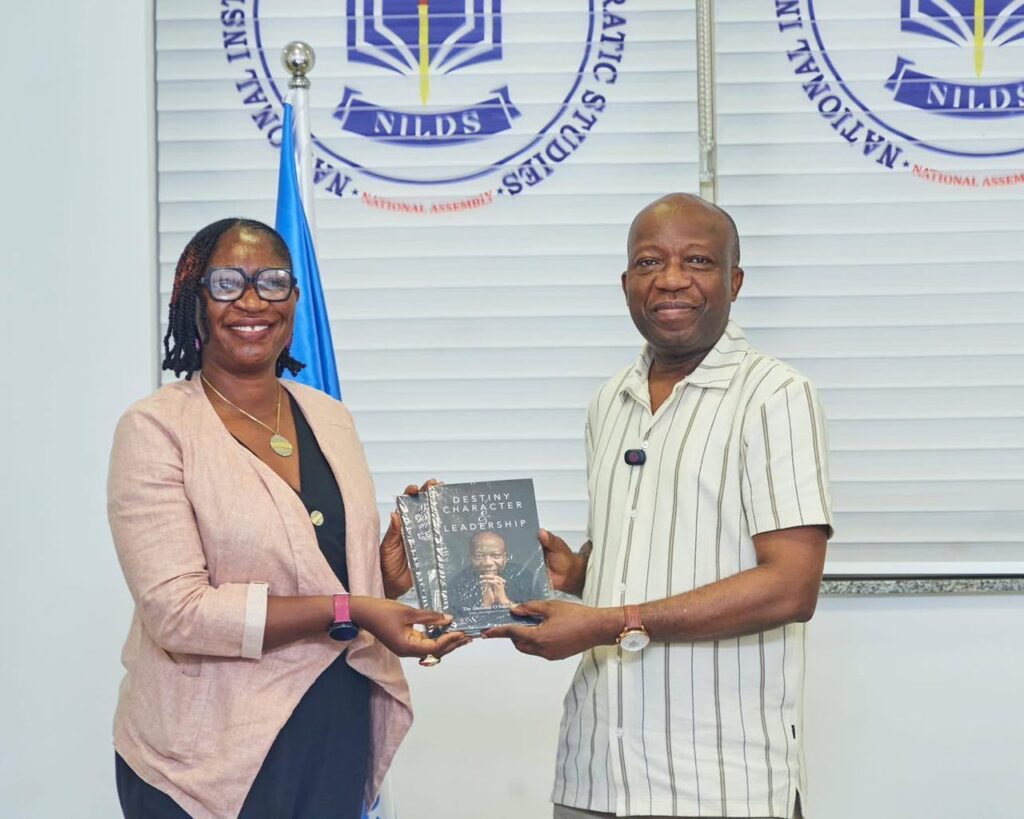
Representing the Ugandan delegation, Hon. Avur Jane Patrutu expressed appreciation to NILDS for accepting the Parliament of Uganda’s request for the training. She said the delegation was particularly interested in sharing experiences on public borrowing, debt management, economic governance and parliamentary oversight.
She encouraged stronger interaction between Nigerian and Ugandan parliamentary institutions, noting that African countries could learn from one another’s experiences, challenges and approaches to governance.
The five-day programme is expected to equip participants with practical knowledge and comparative perspectives to enhance parliamentary scrutiny, economic governance and accountability in the management of public resources.